Breatheasy
Can anxiety cause nausea? Why it happens and how to settle it
Yes, anxiety can make you feel sick, sometimes for hours or every morning. Why it happens, what helps right away, other common causes to rule out, and when to see a doctor.
 Breatheasy team27 October 2026 · 6 min read
Your stomach turns before a big meeting. You wake up feeling sick for no reason. Or there’s a queasy feeling that hangs around for days whenever life gets stressful.
Nausea is one of the most common physical symptoms of anxiety, and one of the most miserable. Here’s why it happens, what helps, and how to tell when it might be something else.
Can anxiety cause nausea?
Yes. Nausea is one of the recognised symptoms of both panic attacks and generalised anxiety. It can range from mild butterflies to feeling like you’re about to be sick. Some people do vomit, especially during strong anxiety.
Why anxiety makes you feel sick
Your gut and your brain are in constant two-way contact, through nerves (especially the vagus nerve) and through hormones. When you’re anxious:
- Digestion slows down or speeds up. Fight-or-flight moves blood away from your stomach towards your muscles. Food can sit in your stomach longer, or rush through.
- Your stomach muscles tense, which can feel like churning, knots or pressure.
- Stress hormones affect your gut directly, changing how it moves and how sensitive it is.
- You breathe faster. Overbreathing and swallowing air can add to nausea, bloating and light-headedness.
- You notice it more. Once you feel queasy, worrying about being sick can make the feeling stronger.
When anxiety nausea tends to happen
- Before something stressful, like an exam, interview, flight or social event
- First thing in the morning, when you wake up and the day’s worries rush in on an empty stomach. Our post on morning anxiety explains why mornings can be hard.
- During a panic attack, along with a racing heart and dizziness
- On and off for days or weeks, during a stressful period or with generalised anxiety
- After eating, if you’re already anxious. Our post on anxiety after eating covers this.
What helps right away
- Slow your breathing. In through your nose for 4, out through your mouth for 6. Let your belly, not your chest, rise as you breathe in.
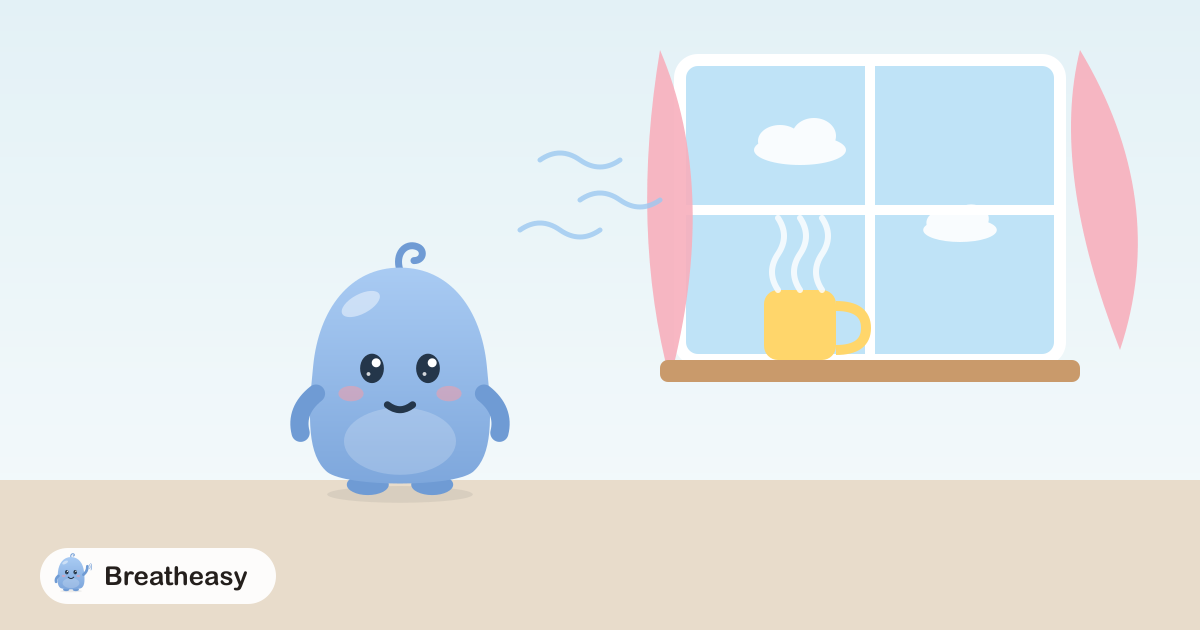
- Get some fresh, cool air. Open a window, step outside or sit near a fan.
- Sip cold water slowly. Small sips, not big gulps.
- Stay upright and still. Sit rather than lie flat, and avoid sudden movements.
- Try a small, bland snack if your stomach is empty, like crackers, toast or a banana.
- Try ginger. Ginger tea, ginger biscuits or ginger sweets help some people with nausea.
- Distract yourself gently. Focusing hard on the nausea tends to make it worse.
What helps over time
- Eat little and often. Smaller meals are easier on an anxious stomach than big ones, and an empty stomach can make nausea worse.
- Go easy on triggers: caffeine, alcohol, very fatty or spicy food, and eating quickly.
- Practise slow breathing daily, so your body gets better at switching back into rest-and-digest mode.
- Move gently. A short walk after eating can help digestion.
- Treat the anxiety itself. If nausea keeps coming back with anxiety, cognitive behavioural therapy (CBT) can help with the worry that drives it.
If fear of being sick is part of the problem
For some people, the nausea becomes frightening in itself. They worry so much about vomiting that they avoid foods, places or travel. An intense fear of vomiting is called emetophobia, and it’s very treatable with CBT. Our post on throwing up from anxiety explains more.
Other causes of nausea to rule out
Nausea has lots of causes, and anxiety and a physical problem can happen at the same time. Common ones include:
- New medicines. Many medicines cause nausea, including SSRIs, which are often prescribed for anxiety. It usually eases within a few weeks. Taking them with food can help. Don’t stop a prescribed medicine without talking to your doctor.
- Pregnancy. Nausea is common in early pregnancy, at any time of day.
- Stomach and gut problems, like acid reflux, gastritis, a stomach bug or irritable bowel syndrome.
- Migraine, which often comes with nausea.
- Inner ear problems, which can cause nausea with dizziness or a spinning feeling.
- Heavy, regular cannabis use. Some long-term users develop repeated bouts of severe nausea and vomiting, often eased by hot showers. It usually stops only when cannabis is stopped.
- Low blood sugar, especially in people with diabetes.
When to see a doctor
Call 911 (or your local emergency number) or go to the emergency room if you have nausea with:
- chest pain, especially pain that spreads to your arm, back, neck or jaw, or comes with sweating or breathlessness (in women especially, nausea can be a sign of a heart attack)
- vomiting blood, or vomit that looks like coffee grounds
- severe stomach pain
- a severe headache with a stiff neck, or sensitivity to light
- confusion, or feeling very drowsy
See a doctor soon if:
- you can’t keep fluids down, or you’re showing signs of dehydration, like peeing very little or dark pee
- you’ve been vomiting for more than a couple of days
- you’re losing weight without trying
- nausea keeps coming back, or you’re not sure what’s causing it
- you might be pregnant
Frequently asked questions
How long does anxiety nausea last?
It often eases within minutes to an hour once the stressful moment passes or the panic settles. With ongoing anxiety, it can come and go for days. If nausea lasts a long time or you’re losing weight, see a doctor.
Can anxiety cause nausea every day?
Yes, especially if you’re anxious most of the time. But daily nausea should be checked by a doctor at least once, to rule out other causes like reflux, pregnancy or a medicine side effect.
Why do I feel sick in the morning with anxiety?
When you wake up, stress hormones naturally rise, your stomach is empty, and the day’s worries rush in. Together, that can leave you queasy. A small breakfast, slow breathing and getting up rather than lying there worrying can help.
What helps anxiety nausea fast?
Slow breathing, fresh cool air and small sips of cold water are the quickest things to try. A bland snack or something with ginger helps some people.
How Breatheasy can help
When your stomach turns, Breatheasy can help you slow down. Its guided breathing exercises pulse your phone as you breathe in, so you can sit still with your eyes closed and just follow along. If the queasiness comes with panic, tap “I’m feeling anxious” and Luma walks you through it, step by step. Over time, ten-second check-ins and a journal can show whether your nausea follows certain days, foods or worries. Breatheasy is coming soon to iPhone and Android.