Breatheasy
Loneliness: what to do when you have no one to talk to
Feeling lonely, or like you have no one to talk to, is more common than people admit. The types and signs of loneliness, why it affects your health, what to do tonight, and small steps, warmlines and therapy that help you feel connected again.
 Breatheasy team27 October 2026 · 5 min read
If you’re feeling so alone that you’re thinking about ending your life, please call or text 988 (US) now. You don’t have to be in crisis to call, and someone will listen.
The phone stays quiet. Weekends feel long. You scroll through other people’s lives and wonder why it seems so easy for them. Or you’re surrounded by people and still feel completely alone.
Loneliness is painful, but it’s also very common, and it can change. Here’s what helps.
What is loneliness?
Loneliness is the feeling of not having the connection you need. It’s about the quality of your relationships, not the number. The NHS describes three types:
- Emotional loneliness: missing a close attachment, like a best friend or partner.
- Social loneliness: not having friends to go out with or share interests with.
- Existential loneliness: feeling alone even in a room of people you know.
Some people feel lonely at certain times, like Sundays or holidays. Others feel lonely most of the time, which is sometimes called chronic loneliness.
Signs of loneliness
According to the NHS, loneliness can show up in what you do as well as how you feel. You may:
- feel nervous about, or avoid, social events
- change your routines, like no longer cooking for yourself, caring about your appearance or getting up early
- find it hard to get to sleep or stay asleep
Why it matters for your health
In 2023, the US Surgeon General issued an advisory on loneliness. It reported that about half of US adults experience loneliness, and that a lack of social connection is linked with higher risks of heart disease, stroke, dementia, depression and anxiety. A review of 148 studies found that people with stronger social relationships had a 50% greater likelihood of survival over the study periods.
That isn’t meant to scare you. It means that loneliness is a real health issue, not a personal failing, and that working on connection is worth it.
If you have no one to talk to tonight
- Call or text a warmline. Warmlines are free, peer-run phone lines for when you need someone to talk to but aren’t in crisis. You can find one in your state at warmline.org.
- Call or text 988 if you’re in distress or thinking about suicide.
- Message someone you haven’t talked to in a while. A short “Thinking of you, how are you doing?” is enough.
- Go where people are, like a café, library or park. Being around other people can help, even without much conversation.
- Write it down. Putting feelings into words helps you understand them, and makes them feel less heavy.
Small steps that build connection
- Start small and repeat. Connection grows through regular, low-pressure contact, like seeing the same people at a weekly class.
- Join something based on an interest, like a walking group, a book club, a choir or a game night.
- Volunteer. Helping others builds connection and purpose at the same time.
- Say yes more often, even when you feel like staying in.
- Reach out first. Other people may be hoping someone will make the first move, too.
- Be careful with social media. Use it to arrange real contact rather than to compare.
- Get to know your neighbours, even if it’s just a hello.
When loneliness feeds anxiety
Loneliness and social anxiety can trap each other: anxiety makes you avoid people, and avoiding people makes you lonelier. If fear of judgement is stopping you from connecting, our post on social anxiety can help. If you feel afraid of being alone rather than lonely, see our post on monophobia.
When to get help
Talk to a doctor or therapist if loneliness has lasted a long time, if it comes with low mood, hopelessness or loss of interest, or if anxiety or depression are stopping you from connecting with people. Therapy can help you work through what’s holding you back. If you’re thinking about ending your life, call or text 988 (US) now.
Frequently asked questions
What do I do when I have no one to talk to?
Call or text a free peer-run warmline (find one at warmline.org), or call or text 988 if you’re in distress. Then take one small step, like messaging an old friend or going somewhere with other people.
Is it normal to feel lonely?
Yes. Everyone feels lonely at times, and about half of US adults report it. It’s a signal that you need connection, like hunger is a signal that you need food.
Can you feel lonely in a relationship or with friends?
Yes. Loneliness is about feeling understood and connected, not about how many people are around you.
Can therapy help with loneliness?
Yes. A therapist can help with anxiety, low mood or beliefs that keep you from connecting, and help you plan small steps toward the relationships you want.
How Breatheasy can help
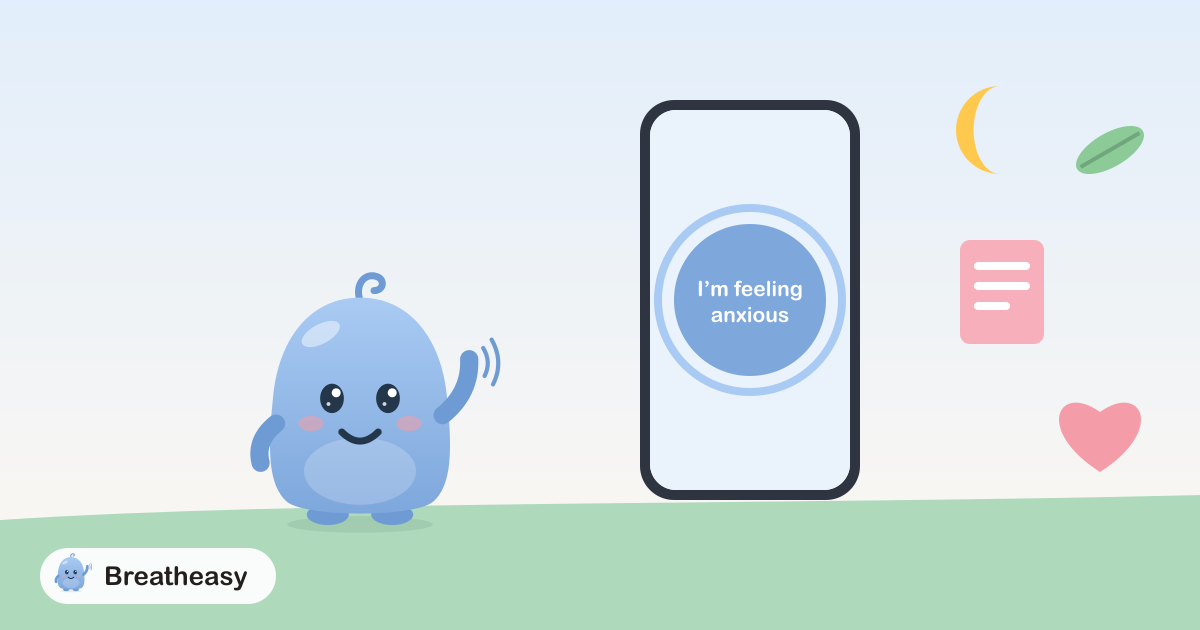
Breatheasy can be a small, kind companion on lonely days. The journal asks “Anything on your mind today?” so you have somewhere to put your feelings, and ten-second check-ins help you notice patterns, like lonely Sundays, so you can plan for them. When loneliness turns into anxiety, tap “I’m feeling anxious” and Luma walks you through slow breathing and grounding. Your emergency contact and crisis help are always one tap away. Breatheasy is coming soon to iPhone and Android.
Sources
- Dealing with loneliness, NHS Every Mind Matters
- Our epidemic of loneliness and isolation, US Surgeon General’s advisory, 2023
- Social relationships and mortality risk: a meta-analytic review, Holt-Lunstad and others, PLoS Medicine, 2010
- Warmline directory, warmline.org
- 988 Suicide & Crisis Lifeline