Breatheasy
Just diagnosed with anxiety? What it means, and what to do next
A clear, kind guide for anyone recently diagnosed with an anxiety disorder: what the diagnosis means, the treatments that work, questions to ask your doctor, what to expect from therapy and medicine, and how to look after yourself.
 Breatheasy team27 October 2026 · 6 min read
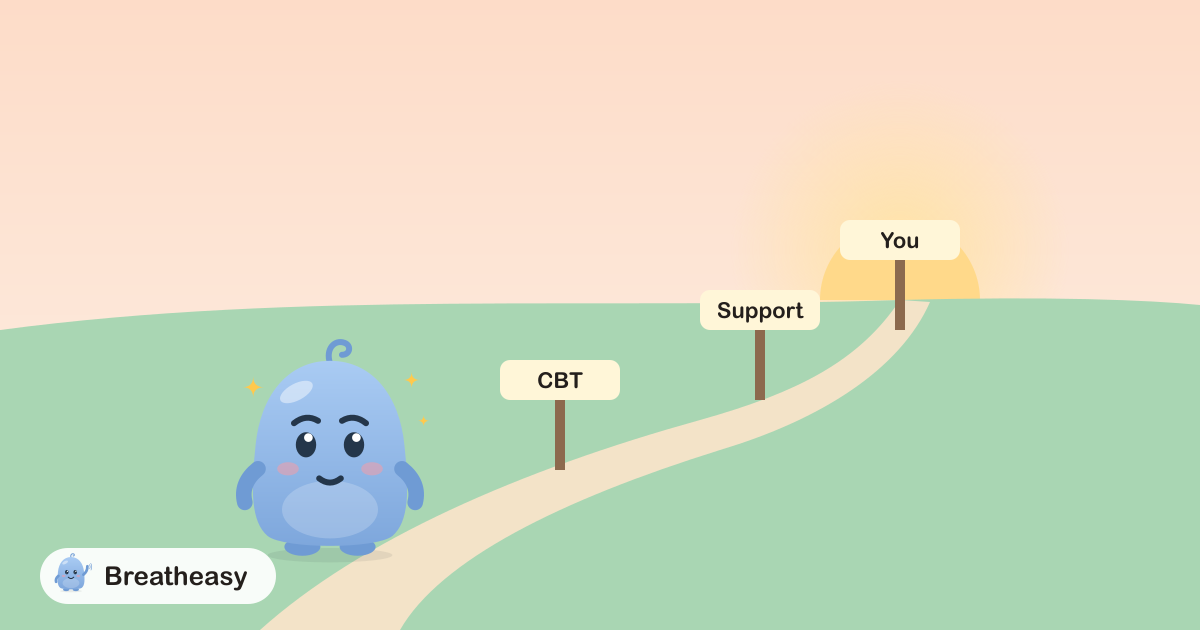
You’ve just been told you have an anxiety disorder. Maybe you feel relieved to finally have a name for it. Maybe you feel worried, embarrassed or unsure what happens now. Many people feel all of these at once.
Here’s a clear guide to what your diagnosis means, the treatments that work, and how to look after yourself from here.
What your diagnosis means
An anxiety disorder means your body’s alarm system is going off more often, more strongly or for longer than it needs to, and it’s affecting your life. It doesn’t mean you’re weak, broken or “crazy”. It means you have a common, recognised health condition.
Anxiety disorders are the most common mental health conditions. In the US, around 1 in 3 adults will have one at some point in their life. You’re in very good company.
Your diagnosis might be:
- generalised anxiety disorder (GAD), with constant worry about many things
- panic disorder, with repeated panic attacks
- social anxiety disorder, with fear of being judged
- a specific phobia, like a fear of flying or needles
- agoraphobia, with fear of places where escape feels hard
Our guide to the different types of anxiety explains each one.
It’s very treatable
Most people with anxiety get much better with treatment. The main options are:
- Cognitive behavioural therapy (CBT). CBT helps you notice the thoughts and habits that keep anxiety going and change them step by step, often by gently facing what you’ve been avoiding. It’s the most researched therapy for anxiety, and its benefits tend to last after treatment ends.
- Guided self-help. Workbooks and online courses based on CBT, often with support from a practitioner. For milder anxiety, this can be a good first step.
- Medicine. Antidepressants called SSRIs and SNRIs are the most common medicines for anxiety disorders.
- A combination, which helps many people most.
Questions to ask your doctor
- Which type of anxiety disorder do I have?
- What treatment do you recommend, and why?
- How do I find a therapist, and what will it cost?
- If I take medicine, what side effects should I expect, and when should it start working?
- What should I do if I feel worse?
- Could anything physical be adding to my anxiety, like my thyroid, caffeine or a medicine I take?
- When should we review how I’m doing?
Write your questions down before your appointment, and take notes. Anxiety can make it hard to remember what was said.
If you’re starting medicine
According to the NHS:
- Antidepressants usually take 1 to 2 weeks to start having an effect, and up to 8 weeks to work fully. It’s important to keep going during that time.
- Side effects are common at first, and many ease after a couple of weeks. They can include feeling shaky, agitated or more anxious, nausea, headaches and trouble sleeping.
- Some people have suicidal thoughts when they start an antidepressant. It’s not common, but if it happens, tell your doctor straight away, or call or text 988.
- Don’t stop suddenly. Talk to your doctor first. They’ll help you reduce the dose gradually to avoid withdrawal symptoms.
Some medicines, like benzodiazepines, are only used for short periods because they can cause dependence.
Finding a therapist
- Ask your doctor for a referral or recommendations.
- Check with your insurance for therapists in your network who offer CBT.
- Look for someone trained in CBT for anxiety, and ask about their experience with your type of anxiety.
- If cost is a barrier, community health centers often offer care on a sliding scale based on income (findahealthcenter.hrsa.gov), and university training clinics may offer lower-cost therapy.
- Ask your employer whether they have an Employee Assistance Program (EAP), which usually includes free, confidential counselling sessions.
Looking after yourself day to day
- Learn your early warning signs, like a tight jaw, poor sleep or snapping at people, so you can act sooner.
- Practise a calming skill daily, like slow breathing, even when you’re okay.
- Move your body regularly. Physical activity has good evidence for reducing anxiety.
- Protect your sleep, and keep regular sleep and wake times.
- Cut back on caffeine and alcohol, which both make anxiety worse.
- Notice avoidance. It’s natural to avoid what makes you anxious, but it keeps anxiety going. Small, gentle steps towards it help.
- Track how you’re doing, so you can see progress you might otherwise miss.
Telling other people
You don’t have to tell anyone. But many people find that telling one or two trusted people makes things easier. You might say: “I’ve been diagnosed with anxiety. I’m getting help. On bad days it helps if you…” and finish with what actually helps you.
At work, you don’t have to share your diagnosis. In the US, anxiety can count as a disability under the ADA, which may give you the right to reasonable adjustments. Our post on anxiety at work explains more.
Expect ups and downs
Recovery rarely goes in a straight line. You’ll have good weeks and hard weeks. A setback doesn’t mean treatment has failed. It’s a chance to practise your skills and learn what helps.
When to get help urgently
Call or text 988 (US) if you’re having thoughts of ending your life, or call 911 in an emergency. Contact your doctor promptly if you feel much worse, have new side effects that worry you, or can’t function day to day.
Frequently asked questions
Is an anxiety disorder permanent?
Not necessarily. Many people recover fully, and many more find their anxiety becomes much more manageable. Some people have periods when it comes back, especially during stress, but the skills you learn in treatment help you handle it.
Will I need to take medicine forever?
Usually not. People often take antidepressants for anxiety for at least 6 months after they feel better, then reduce them gradually with their doctor’s help. Some people choose to stay on them longer. It’s a decision you make together with your doctor.
Should I tell my employer about my anxiety diagnosis?
It’s your choice. You don’t have to. If you want adjustments at work under the ADA, you may need to share some information, which your employer must keep confidential.
What’s the best first step after an anxiety diagnosis?
Ask your doctor about CBT, and learn one calming skill you can use every day. Our post on how to calm anxiety is a good place to start.
How Breatheasy can help
Breatheasy can support you alongside your treatment. Short lessons explain what anxiety is doing in your body, daily breathing exercises help you practise calming skills, and ten-second check-ins and a two-week anxiety check using the GAD-7 help you see your progress and share it with your doctor or therapist. When anxiety spikes, tap “I’m feeling anxious” and Luma walks you through it. Breatheasy is coming soon to iPhone and Android.
Sources
- Generalised anxiety disorder: treatment, NHS
- Antidepressants, NHS
- Side effects of antidepressants, NHS
- Anxiety disorders, National Institute of Mental Health
- Any anxiety disorder: statistics, National Institute of Mental Health
- Find a health center, Health Resources and Services Administration