Breatheasy
Can anxiety make you tired? Why worry is so exhausting, and what helps
Yes, anxiety can make you tired. Why being anxious drains your energy, how anxiety fatigue feels, the other causes to rule out, whether “tired” is an emotion, and how to get your energy back.
 Breatheasy team27 October 2026 · 4 min read
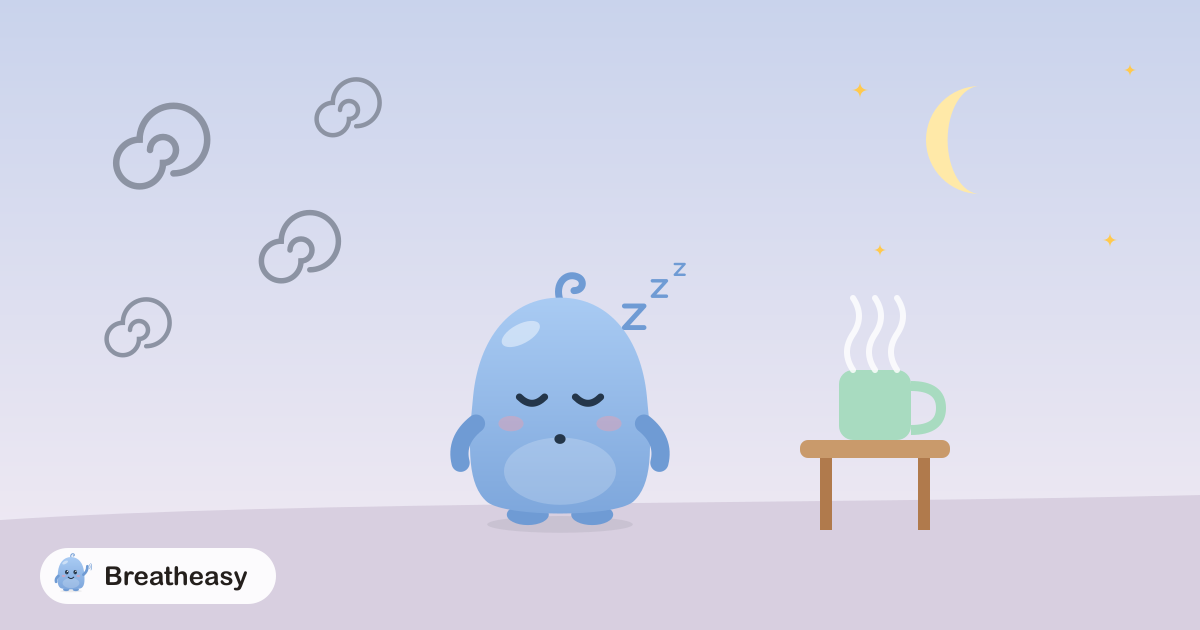
You haven’t done much today, but you’re exhausted. Your body feels heavy, your brain is foggy, and even small tasks feel like a lot. Then at night, you can’t switch off.
If you live with anxiety, this kind of tiredness is very common. Here’s why it happens and what helps.
Can anxiety make you tired?
Yes. The NHS lists getting tired easily and difficulty sleeping among the symptoms of generalised anxiety disorder. The NHS also lists stress and depression among the common causes of tiredness and fatigue.
Why anxiety is so exhausting
- Your body is on high alert. Anxiety switches on your fight-or-flight response, which is designed for short bursts, not hours or days.
- Your muscles stay tense, often without you noticing, which can leave you sore and drained.
- Your mind works overtime. Worrying, overthinking and replaying conversations take real mental effort.
- Your sleep suffers. Anxiety makes it harder to fall asleep and stay asleep, and lowers the quality of the sleep you get.
- Panic attacks take it out of you. Many people feel wiped out for hours afterwards. Our post on the panic attack hangover explains why.
- Avoidance shrinks your life. Doing less, moving less and seeing fewer people can make you feel even more tired.
What anxiety fatigue can feel like
- heavy, drained or worn out, even after rest
- foggy, forgetful or struggling to concentrate. See our post on anxiety and brain fog.
- tired but wired at night
- irritable and low on patience
- wanting to sleep or withdraw more than usual
Other causes of tiredness to rule out
The NHS lists several medical conditions that can cause tiredness, including:
- iron deficiency anaemia, often with palpitations, shortness of breath and pale skin
- an overactive thyroid, with feeling nervous, anxious and irritable
- sleep apnoea, with loud snoring and gasping or choking at night
- diabetes, with feeling very thirsty and peeing more often
- ME/CFS, extreme fatigue for at least 3 months
Some of these, like an overactive thyroid and anaemia, can feel a lot like anxiety, so it’s worth getting checked. Depression can also cause deep tiredness. Our post on major depressive disorder explains the signs.
Is “tired” an emotion?
Not exactly. Tiredness is a physical state, a sign that your body or mind needs rest. But it’s closely linked with emotions. When people say “I’m so tired”, they sometimes mean they’re overwhelmed, sad, lonely or burned out. And emotions like anxiety, stress and sadness can leave you feeling physically exhausted.
If you’re tired all the time, it can help to ask: Am I tired in my body, or tired of something? Our post on signs of emotional exhaustion can help you tell the difference.
How to get your energy back
- Calm your body during the day. A few minutes of slow breathing several times a day helps switch off the alert mode that drains you.
- Protect your sleep. Go to bed and get up at the same times each day, and relax for an hour before bed.
- Move gently. A short walk can lift your energy and ease tension.
- Eat regularly and drink enough water.
- Cut back on caffeine, especially after midday. It can disrupt sleep and make anxiety harder to control. Our post on caffeine and anxiety explains more.
- Notice your worries and write them down, rather than carrying them around all day.
- Get treatment for the anxiety. As anxiety improves, energy usually improves too.
When to get help
See a doctor if you’ve been tired for a few weeks and don’t know why, if tiredness affects your daily life, or if you have other symptoms like weight loss or mood changes. Also see a doctor if anxiety is affecting your life: CBT and, for some people, medicine help. If you’re having thoughts of ending your life, call or text 988 (US) now.
Frequently asked questions
Can anxiety make you tired all the time?
Yes. Constant worry, tense muscles and poor sleep can leave you tired most of the time. If it doesn’t improve, see a doctor to rule out other causes.
Why do I feel so tired after anxiety?
Your body has been in fight-or-flight mode, using lots of energy. Afterwards, as your body calms down, you may feel drained for hours.
Can anxiety make you sleepy during the day?
Yes. Poor sleep at night and the mental effort of worrying can make you sleepy and foggy during the day.
Is tired an emotion?
Tiredness is a physical state rather than an emotion, but it’s closely linked to emotions. Feeling overwhelmed, sad or anxious can leave you exhausted, and “I’m tired” sometimes means “I’m overwhelmed.”
How Breatheasy can help
Breatheasy helps you calm the anxiety that drains your energy. One-minute breathing exercises with gentle vibrations help you switch off alert mode during the day, and sleep sounds and bedtime stories help you rest at night. Ten-second check-ins let you track your energy and mood over time, so you can see patterns, like how sleep or busy days affect how you feel. Breatheasy is coming soon to iPhone and Android.